Civic Sketchbook
Place-noticing through walking, writing and creative ethnography
Places are full of life and stories that shape possibilities, but you have to slow down to see them.
Learning how to notice what's there before considering what to do next.
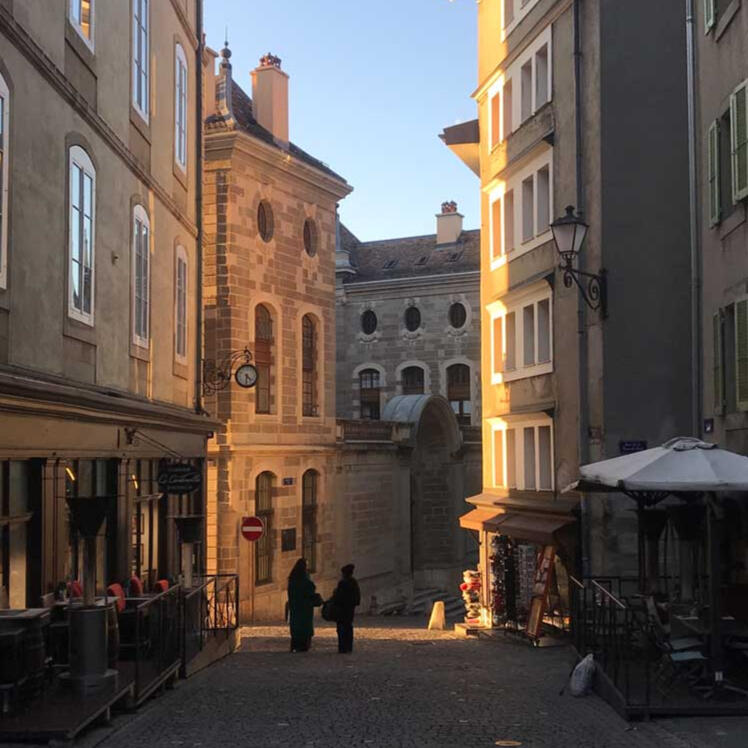
Sunset streets, Geneva - friends pause for an impromptu conversation in the winter light, reflecting the rhythm of the Old Town.
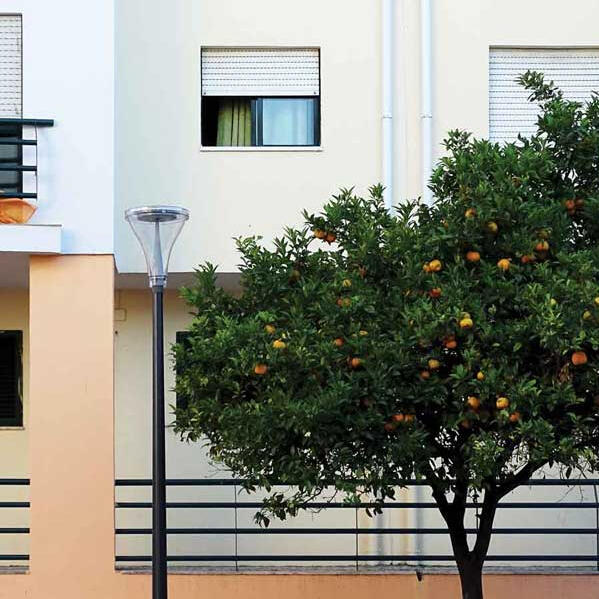
Urban orchard, Lisbon - a rich source of fruit in the city centre, firmly mapped by the Muita Fruita initiative.
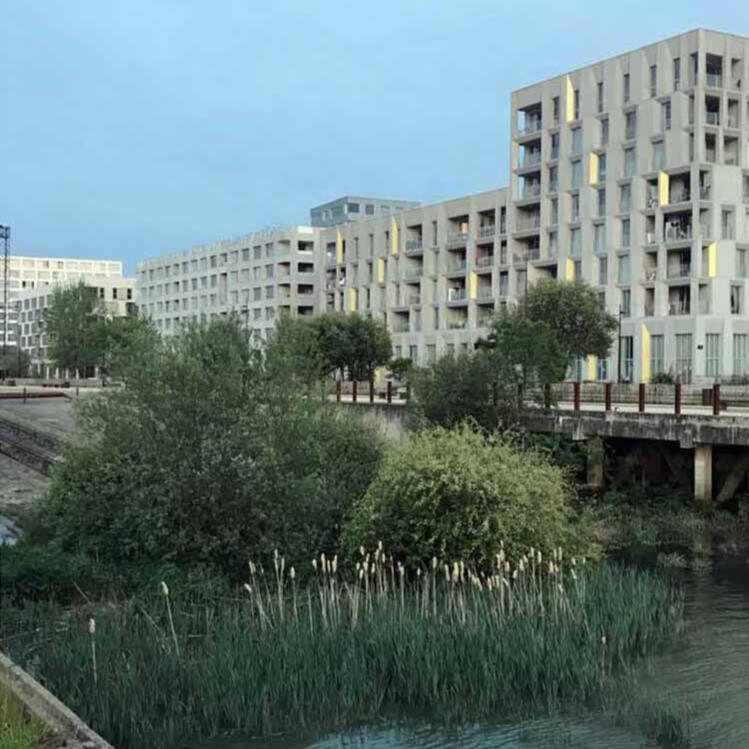
Urban regeneration, Nantes - the gold on the Île de Nantes development echoes the rushes in the biodiverse habitat.
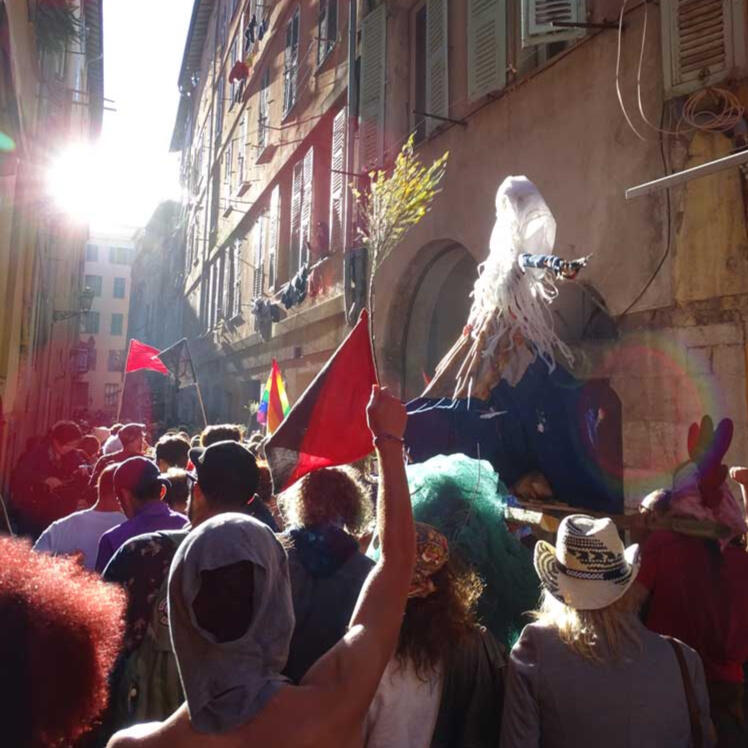
Public celebration, Nice - May Day festivities spill into the streets, a historic ritual preserved by city dwellers.
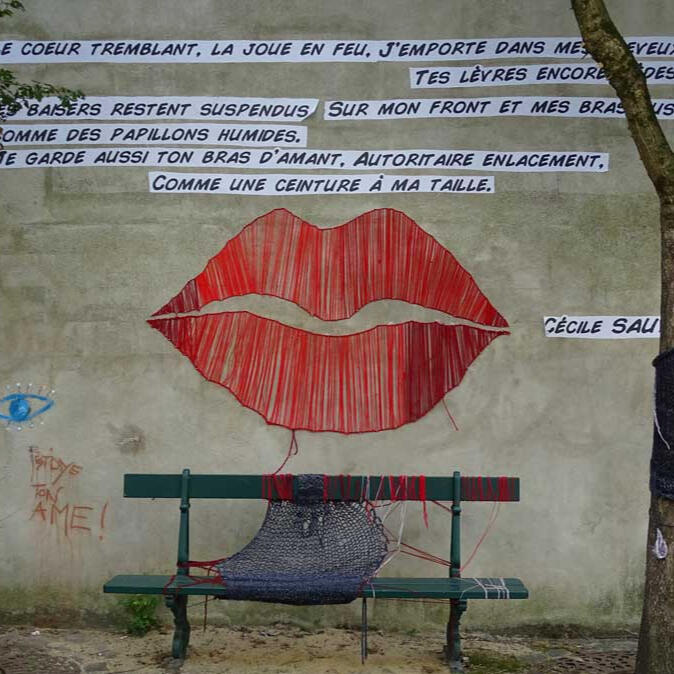
Street art, Auray, France - a poem by Cécile Sauvage turns an ordinary side street into a place to stop and read.
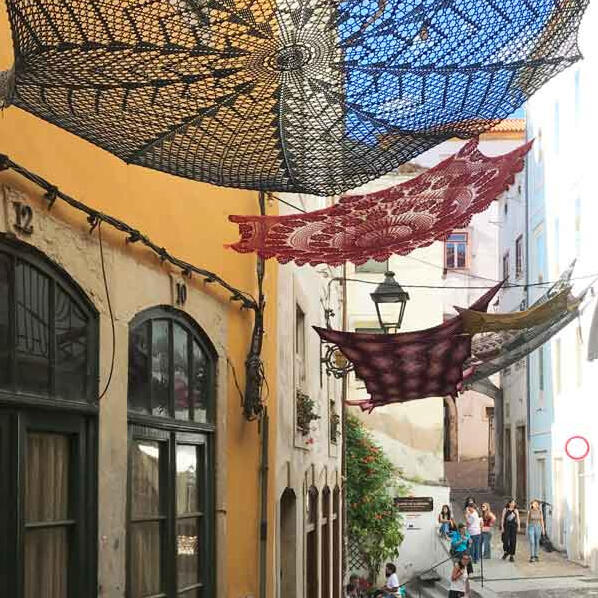
Public art, Coimbra - community-made crochet turns a familiar craft into shade, colour and street decoration.
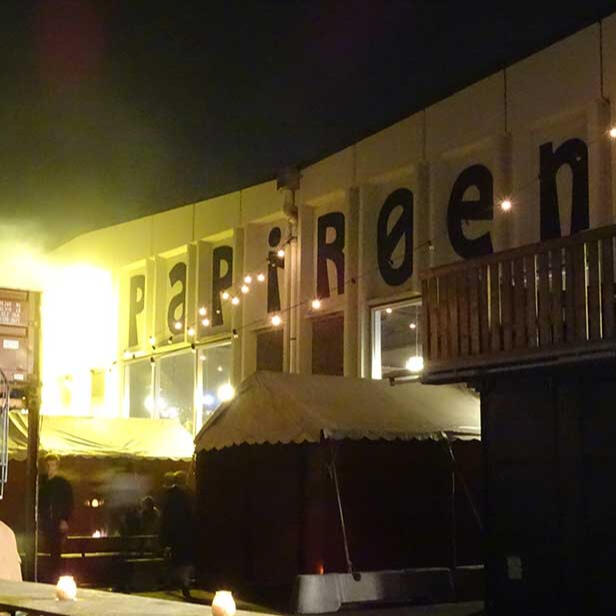
Street food market, Copenhagen - diverse cuisines and communal tables bring an old industrial site to life.
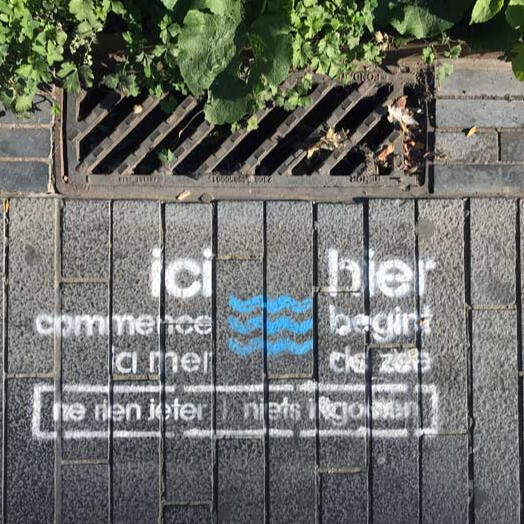
City signage, Brussels - a reminder that “the sea starts here”, turning a drain into a prompt to think about where our rubbish goes.
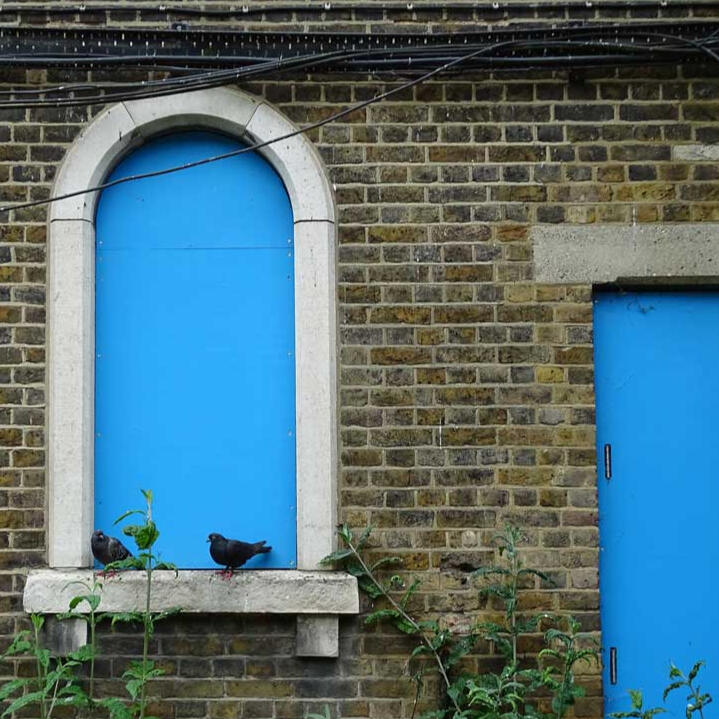
Derelict buildings, London - pigeons overlook the overgrowth, as the space reclaims its place in urban ecology.
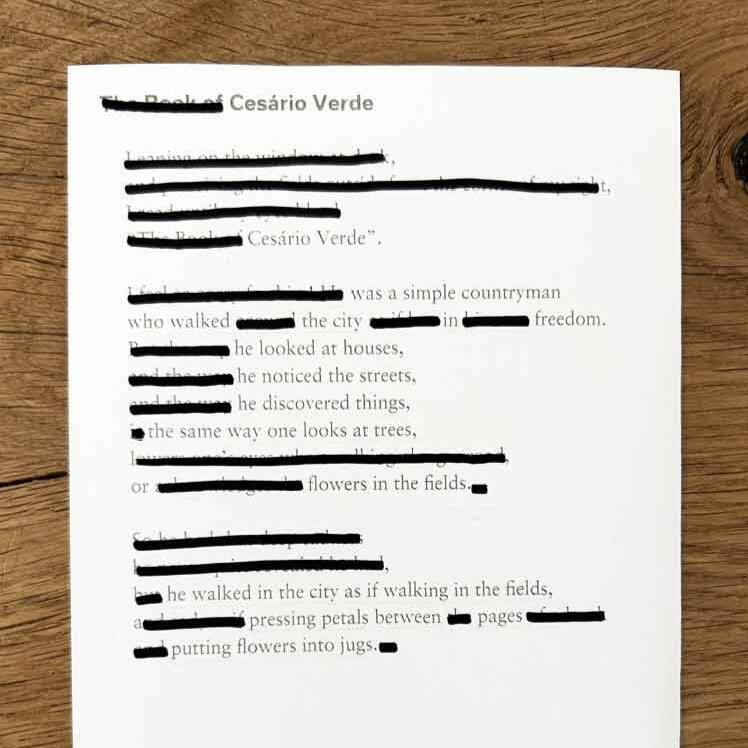
Walking in the City as if Walking in the Fields
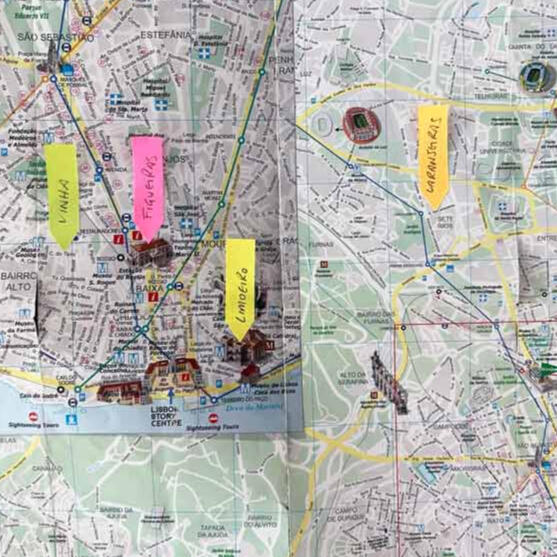
Finding the Fruit Streets
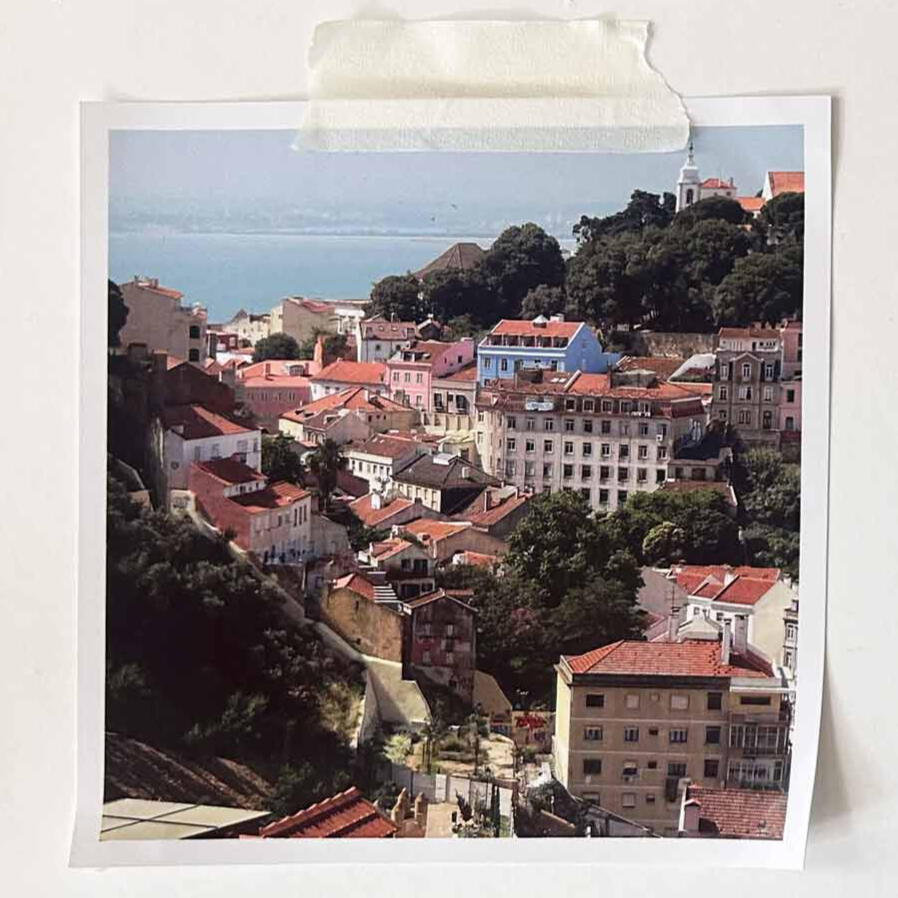
"I Told You There Were Trees"
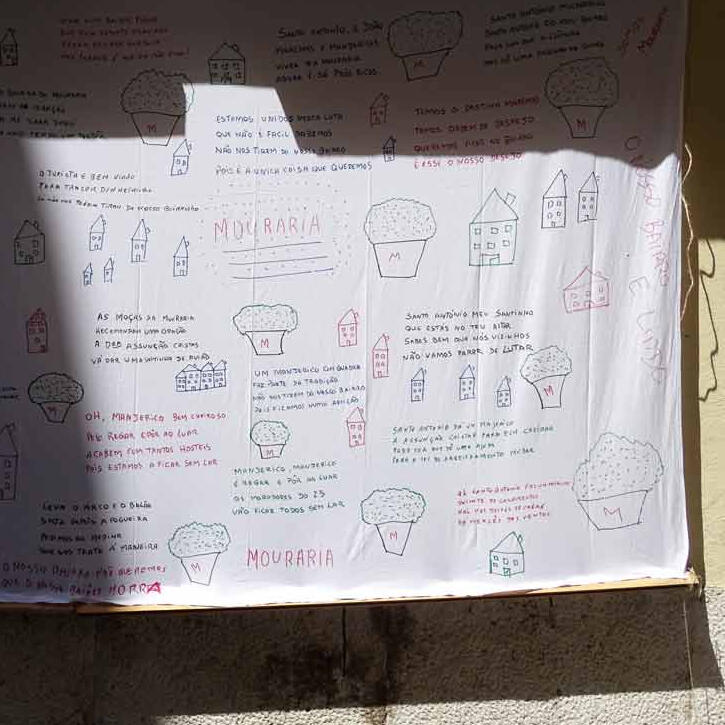
Oh, that's pretty. Wait, what?
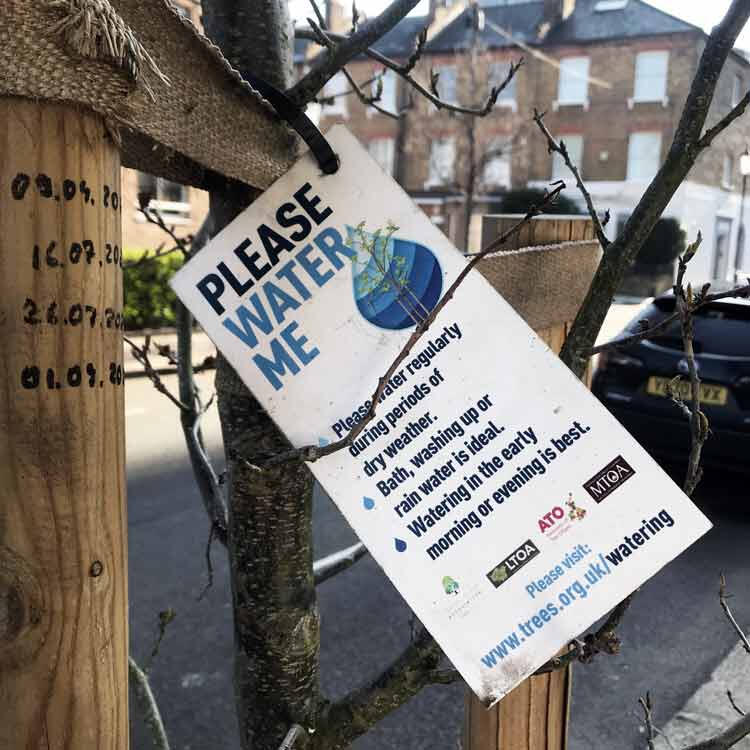
Please Water Me
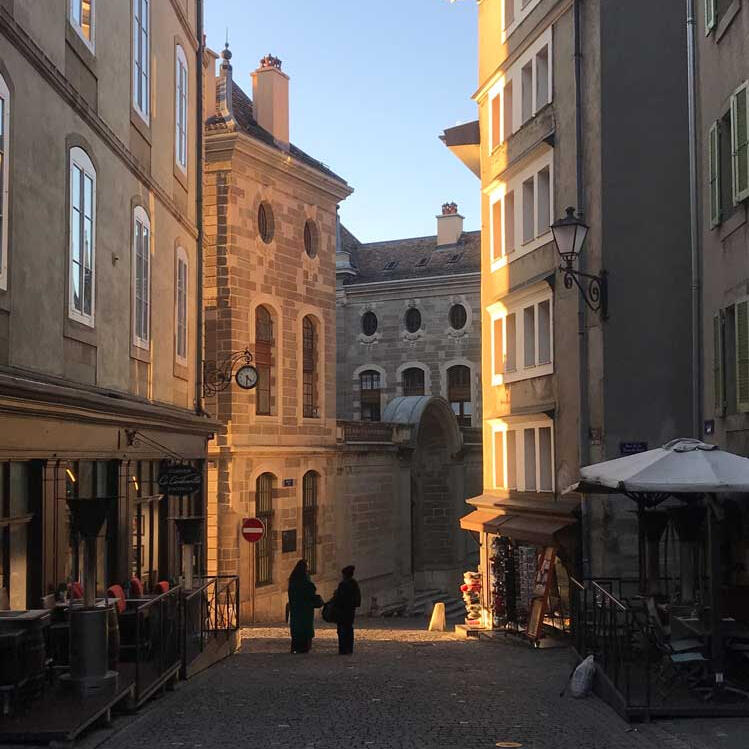
Let the Light In
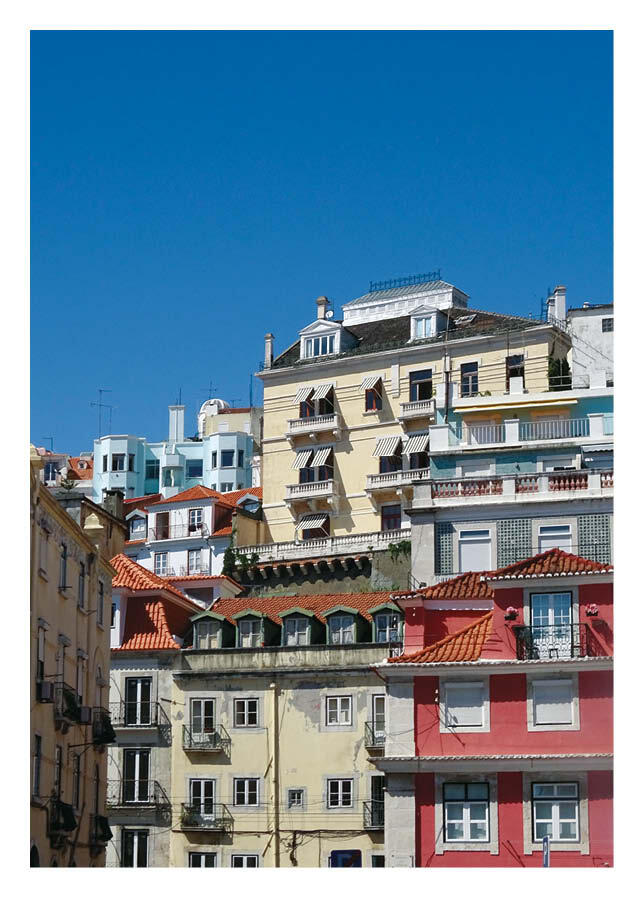
A colour palette that sums up a city: Signature yellow, blue and red buildings against a cloudless Lisbon sky

Street art that celebrates Lisbon's literary heritage: Poets Natália Correia and Florbela Espanca brought to life on the streets of Mouraria, by Mariana Dias Coutinho.
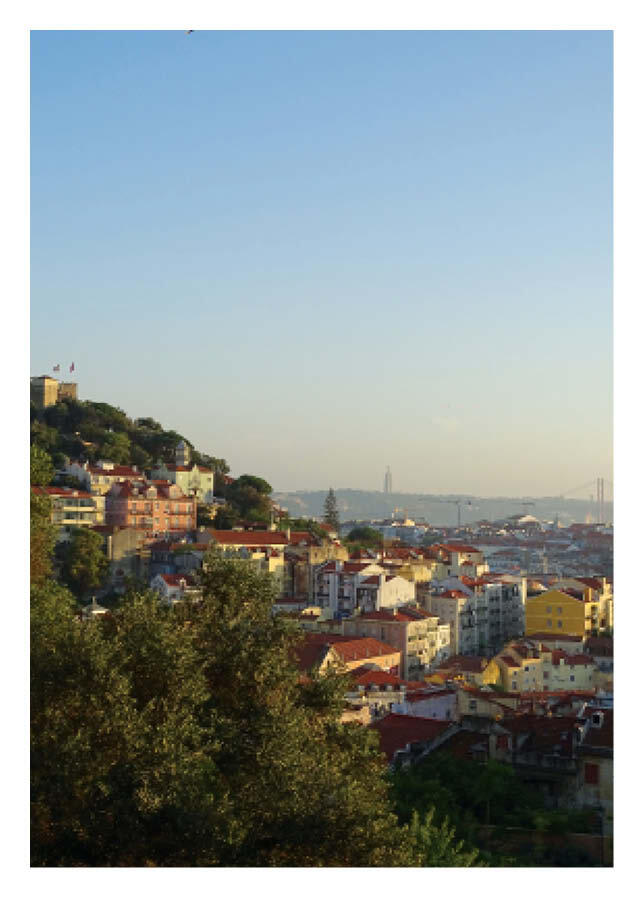
A skyline shaped by the natural world: Lisbon's buildings nestled between the hills, river and trees.

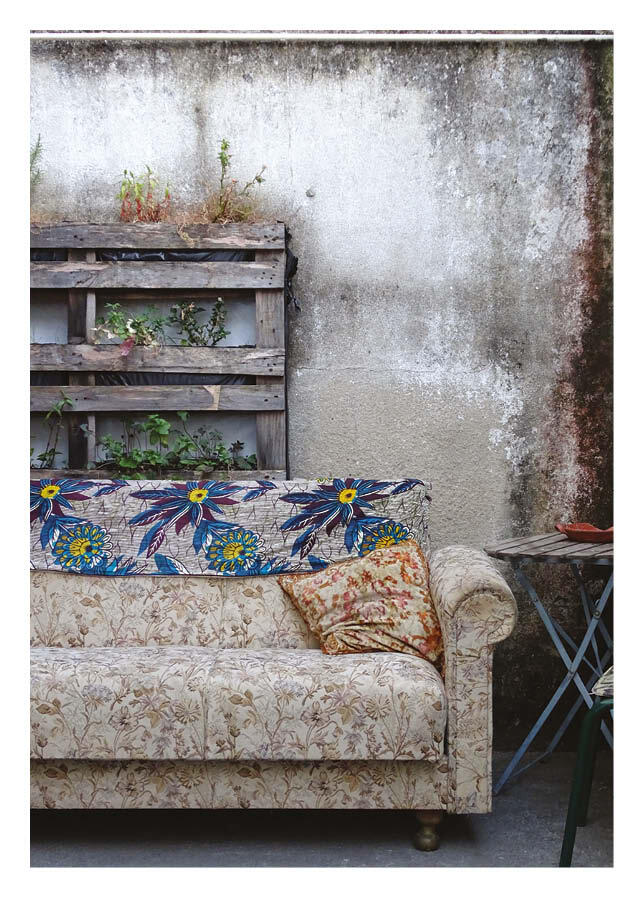
A place that people have made their own: A collection of furniture, objects and contributions that makes community kitchen Cozinha Popular da Mouraria feel like a piece of everyone's home.
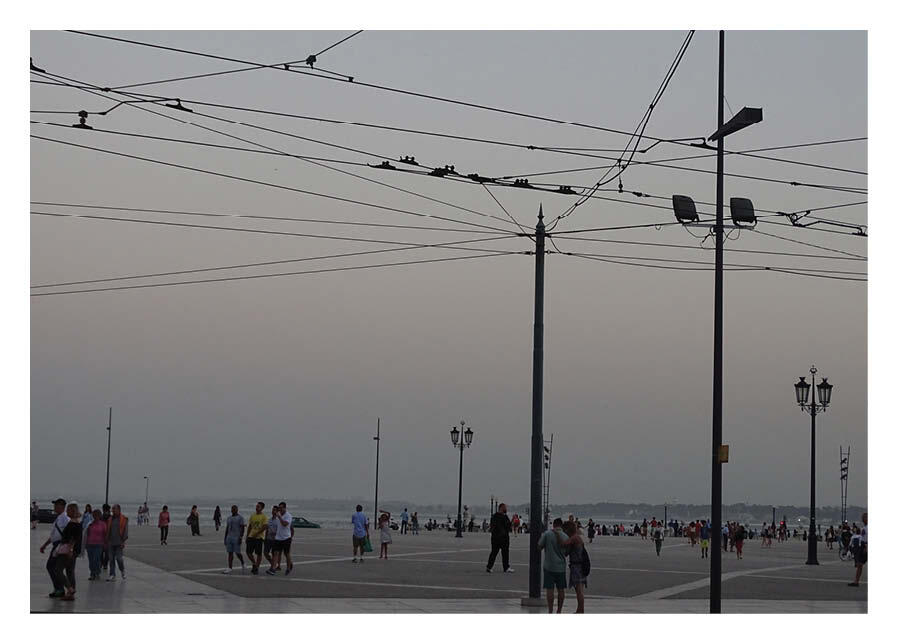
A place where people naturally gather: Praça do Comércio - drawn by the river, the cafés and the open space.
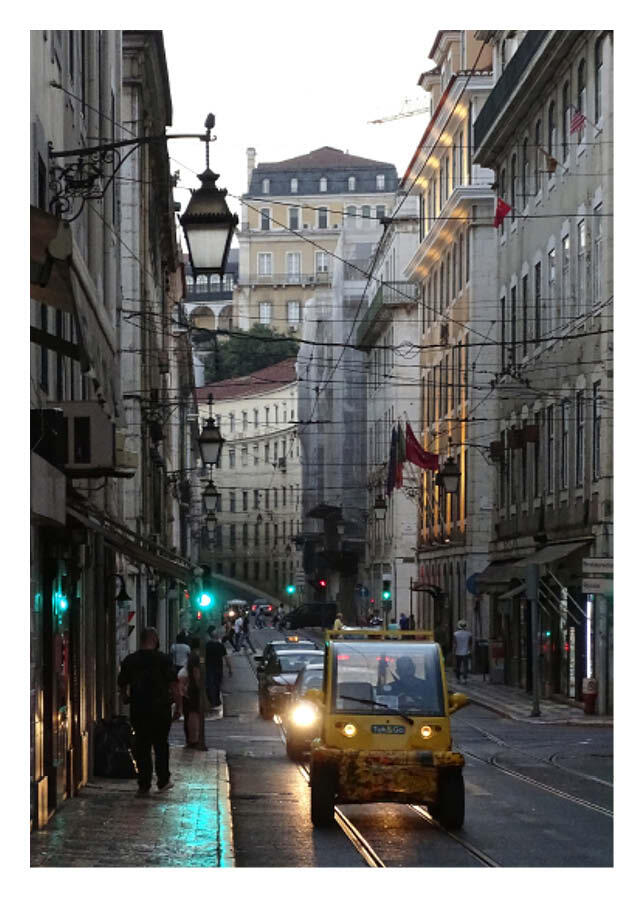
How does the landscape shape how people move? A tuk-tuk traversing the streets between Baixa and Bairro Alto - a solution to Lisbon's steep hills.

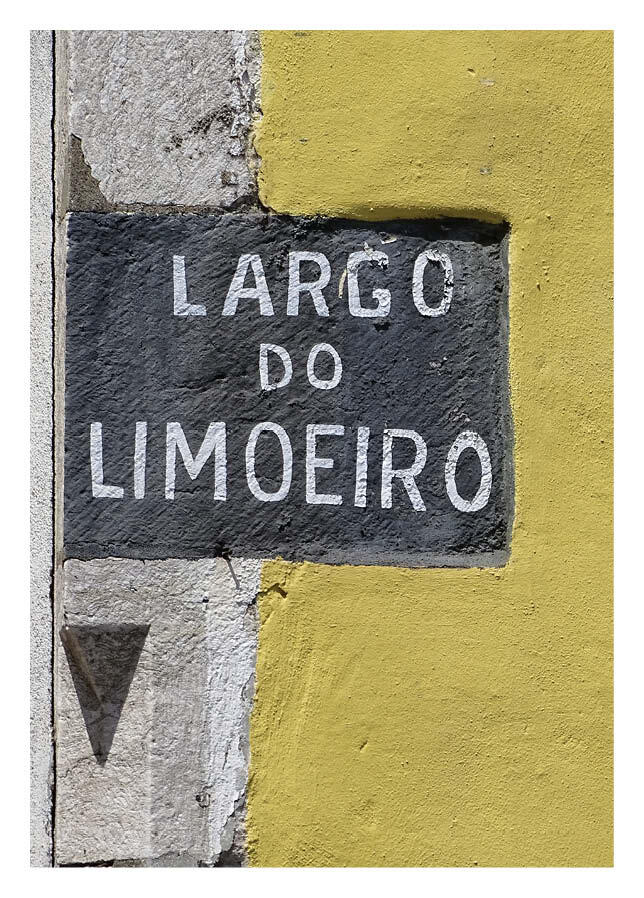
A word I didn't understand - but a clue in the colour: Yellow walls and hand-rendered lettering at Largo do Limoeiro / Lemon Tree Square.
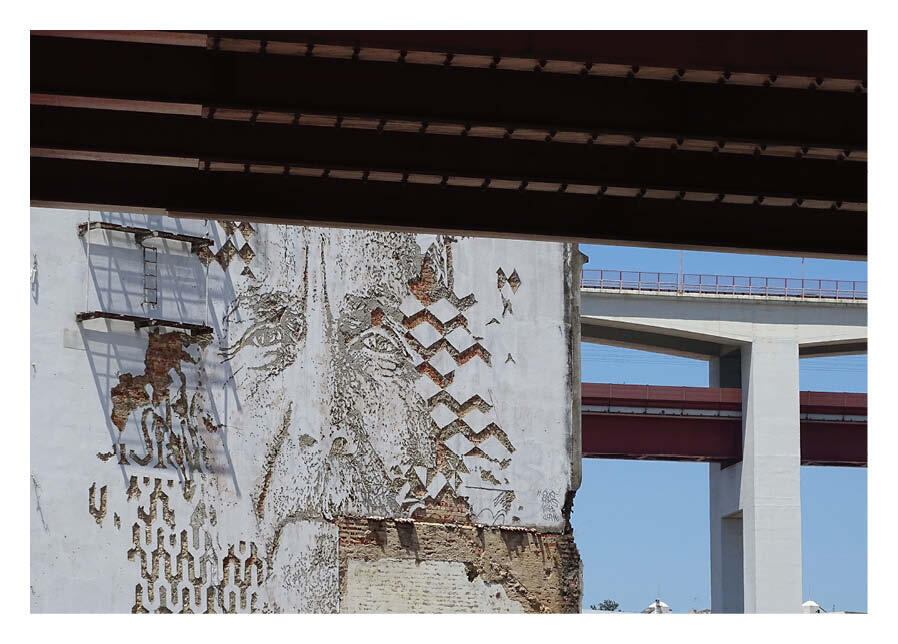
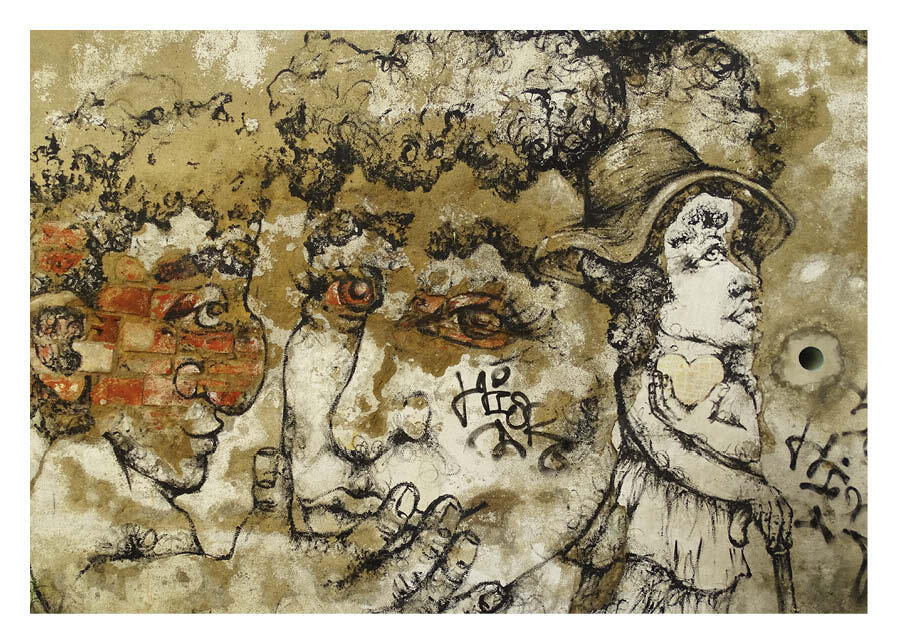
What can street art reveal about a place? Street artist Vhils carves through layers of stone, plaster and brick - exposing the history of the building itself.

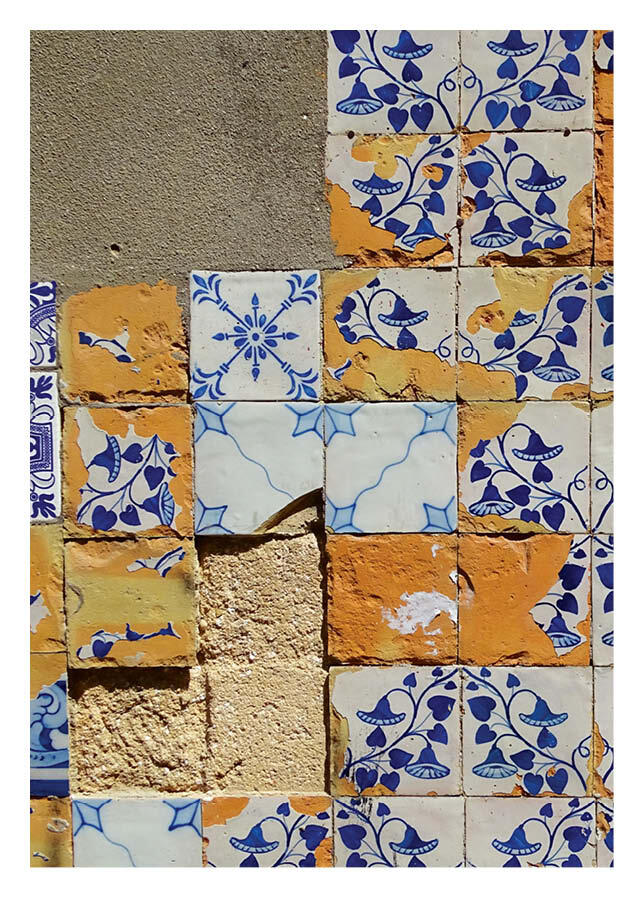
How can the built environment nudge us to remember nature? Trailing flowers tumble across worn, mismatched tiles in orange and blue.
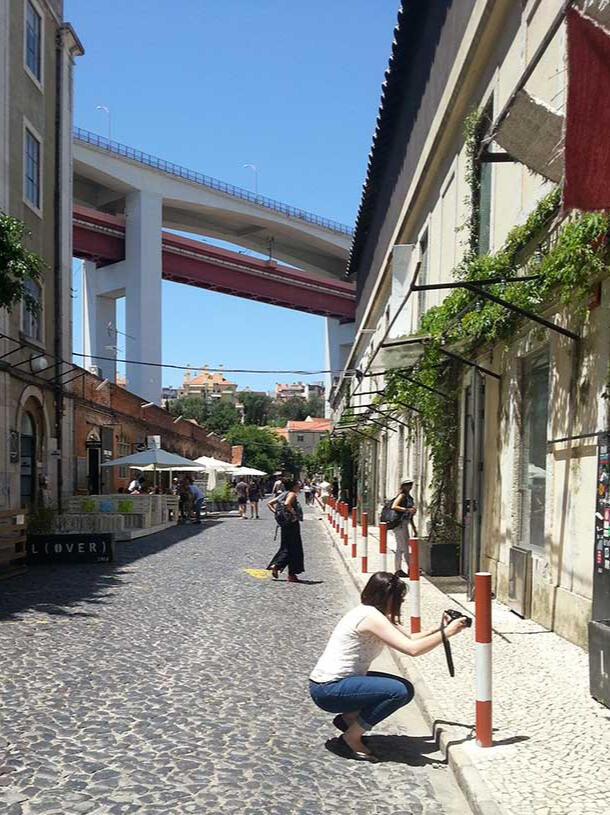
Civic Sketchbook is my ongoing creative research practice where I experiment with walking, writing and creative ethnography to understand people, place and everyday life more closely.
I follow the details that catch my attention and the questions they spark - from colour and architecture to food, wildlife, rituals, stories and local culture. I look more closely, find connections and build a richer understanding of a place through the lives, experiences and contexts that shape it.The sketchbook is an ongoing experiment in learning how to notice what's there before considering what to do next.My work with organisations including the Design Council, World Health Organization, Centre for Sustainable Design and University of Bath explores related questions: how people, perspectives and places shape what's possible.Civic Sketchbook is a more personal space to pursue that curiosity, follow unexpected connections and practice noticing what I might otherwise miss.
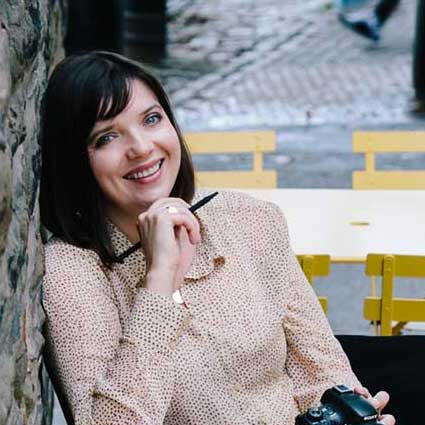
Civic Sketchbook is an ongoing personal practice, but sometimes the things I notice lead to interesting collaborations.
I'm open to conversations about place research, visual storytelling, writing, or creative ways of helping people look more closely at the places around them.If something here sparks an idea, I'd be delighted to hear from you.
Carra Santos
Designer, researcher, writer & educator.
All rights reserved.